Skincare OEM in 2026: Launching a Private Label Line with Custom, Sustainable Formulas
📑 Table of Contents
The clean beauty movement has shifted from a niche trend to a baseline expectation, and 2026 is shaping up to be the year private label brands either adapt or get left behind. For founders and procurement teams evaluating a skincare OEM, the question is no longer simply “can you make the product?” but “can you make the right product — compliant, sustainable, and differentiated — at a viable cost?” This guide walks through what to look for when you partner with a private label skincare manufacturer, how custom skincare formulation actually works, and where sustainable skincare manufacturing fits into a realistic launch plan.
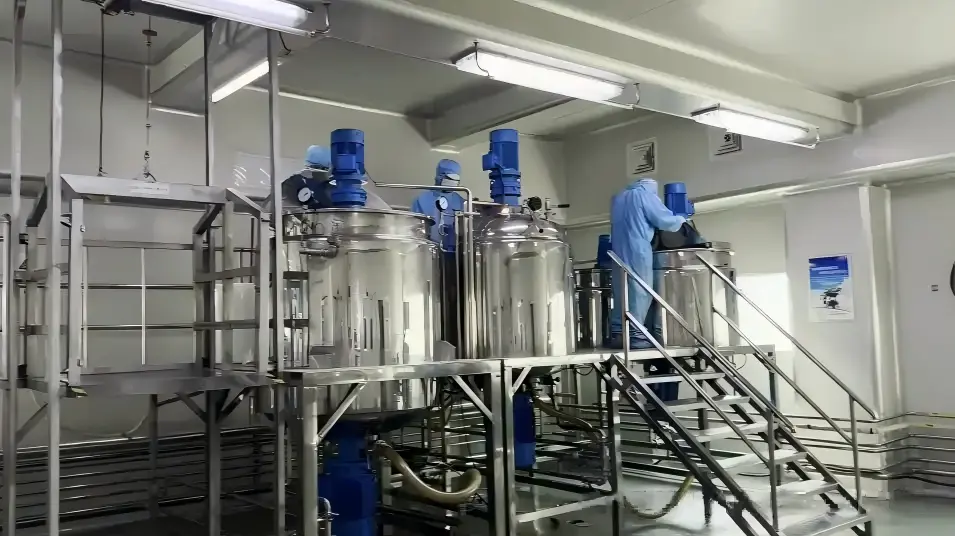
Why brands are turning to skincare OEM partnerships in 2026
Launching a skincare line used to mean either a six-figure minimum at a contract lab or a slow, risky in-house formulation effort. A modern skincare OEM collapses that gap. By sharing production capacity, regulatory documentation, and tested base formulas across many clients, an OEM lets a new brand reach market in weeks rather than years.
Three forces are accelerating this shift:
- Retailer and marketplace scrutiny. Major platforms now require ingredient transparency and safety documentation that only established factories can reliably provide.
- Shorter trend cycles. “Skinimalism” and barrier-care fads move fast; brands need manufacturing partners who can iterate quickly.
- Sustainability mandates. Buyers increasingly ask for recyclable packaging and responsibly sourced actives, which are easier to source at factory scale.
If your roadmap includes creams, it is worth reviewing specialist capabilities such as a private label face cream manufacturer alongside a full-range OEM.
Private label vs. custom formulation: which should you choose?
A private label skincare manufacturer typically offers two routes:
- Private label (white label). You select from proven, ready-to-produce formulas and apply your branding. Lowest cost, fastest time-to-market, limited differentiation.
- Custom formulation. You brief the R&D team on texture, actives, and claims; they develop a bespoke formula. Higher cost and lead time, but defensible uniqueness.
For most first-time brands, a hybrid works best: start with a refined private label base, then move to custom skincare formulation once you have sales data and a clearer brand position. A capable OEM will let you upgrade the same product line without re-tooling your packaging or certifications.
What “sustainable skincare manufacturing” really means
Greenwashing is the fastest way to lose trust with today’s buyers. When an OEM talks about sustainable skincare manufacturing, press for specifics:
- Packaging. Is it refillable, mono-material, or at least widely recyclable? Ask about post-consumer recycled (PCR) content percentages.
- Formula footprint. Are key actives sourced with traceability, and are palm-derived ingredients RSPO-certified where relevant?
- Energy and waste. Does the facility track water and energy per batch, and is there a take-back or concentrate program?
- Certifications. Look for factual statements — “manufactured in a GMP-compliant facility” — rather than vague “eco-friendly” language.
A serious manufacturer will hand you documentation, not slogans. For complementary formats, a sheet mask OEM partner or a toner specialist can extend the same sustainability standards across your range.
A practical launch checklist
When you shortlist an OEM, evaluate against this short list:
- MOQ and scaling. Confirm the minimum order quantity and the path to scale without re-qualification.
- Regulatory support. Ensure they provide ingredient lists, SDS, and market-specific compliance docs (for example, for the EU, UK, or US).
- Stability and challenge testing. Ask whether stability and microbial challenge tests are included.
- Sampling speed. How quickly can you get a physical sample to validate texture and fragrance?
- IP protection. Clarify who owns the formula and whether it is exclusive.
Brands building a cleanser-led range should also compare a dedicated facial cleanser OEM for texture expertise.
Common mistakes to avoid
- Chasing the cheapest quote. Low unit cost often hides rework, failed stability, or documentation gaps that cost more later.
- Over-claiming efficacy. Keep claims defensible; phrases like “may help support” are safer than absolute promises, and claims must follow the regulations of your target market.
- Ignoring lead times. Reserve capacity early — popular actives and packaging can bottleneck during peak seasons.
Conclusion: build with the right partner
A skincare OEM is more than a factory; it is a launch partner. The brands winning in 2026 pair a clear positioning with a manufacturer that delivers compliant, sustainable, and scalable production. Whether you start with private label or invest in custom formulation, choose a partner who documents what they claim and scales with you.
Ready to launch your line? Contact our factory for a tailored quote and sample kit, and let’s turn your skincare concept into a shelf-ready product.
Internal links
jindao2025
SkincareFactoryOEM Team