Turnkey Skincare OEM: One Factory for Your Full Product Line
📑 Table of Contents
- 01 What a Turnkey Skincare OEM Model Actually Means
- 02 Why a Turnkey Skincare OEM Factory China Is Attractive to New Brands
- 03 Building a Cohesive Range: Cleanser, Serum, Cream, Mask
- 04 Evaluating a Skincare OEM Before You Sign
- 05 Why Partner With a Full-Range Skincare OEM-ODM Manufacturing Factory
- 06 Start Your Private-Label Line
Launching a skincare brand is rarely about a single hero product. Most founders need a coherent range — a cleanser, a serum, a moisturizer, perhaps a mask — that feels like one collection rather than a patchwork of suppliers. A skincare OEM partner that can formulate and manufacture your entire line under one roof changes the economics and the logistics of that launch. In this article, we walk through what a turnkey skincare OEM model looks like, where it saves time and cost, and how to evaluate a factory before you commit.
What a Turnkey Skincare OEM Model Actually Means
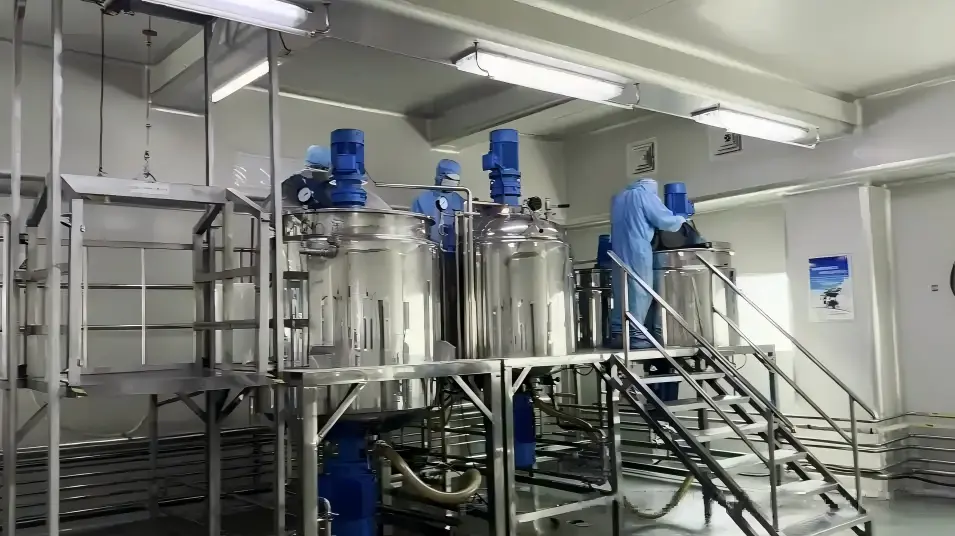
A turnkey skincare OEM factory handles the full production chain on your behalf: formulation, stability and compatibility testing, ingredient sourcing, filling, packaging, and export documentation. You arrive with a concept or a target product profile, and the factory delivers finished, shelf-ready goods bearing your label.
The advantage is coordination. Instead of briefing three separate vendors for three categories, you brief one project team. Specifications stay consistent, lead times align, and quality records live in a single system. For a growing brand, that single point of accountability is often worth more than a marginally lower unit price elsewhere.
In-House Formulation vs. Private-Label Catalog
Most turnkey suppliers offer two routes:
- Custom formulation — you define the texture, active concept, and claim direction; the R&D team builds the formula from a brief.
- Catalog / white-label base — you select a proven base and adjust fragrance, color, or packaging.
A capable private label serum and cream manufacturer will let you blend both: start from a validated emulsion base, then layer in custom actives or a signature scent. This hybrid approach shortens time-to-market while keeping your product distinct.
Where Manufacturing Under One Roof Helps
When the same factory makes your cleanser, serum, and cream, cross-category compatibility is easier to manage. Your toner will not clash with your moisturizer at the bench stage, and your filler lines are calibrated to the same standards. If you later want a mask to complete the set, the same team can extend the line without re-teaching a new supplier your quality expectations.
Why a Turnkey Skincare OEM Factory China Is Attractive to New Brands
Southeast-Asian and Chinese manufacturing clusters concentrate raw-material markets, packaging suppliers, and contract fillers within short distances. That density is why a turnkey skincare OEM factory China can offer competitive tooling, faster sampling, and flexible order sizes that smaller western labs often cannot match.
Lower Barriers Through Low MOQ
Minimum order quantities are a frequent blocker for first-time founders. A flexible skincare OEM will publish attainable MOQs per category, letting you test a four-SKU starter range without committing to container-scale volumes on day one. Low MOQ also supports iterative reformulation: you can refine a formula based on early customer feedback before scaling.
Speed From Integrated Sampling
Because the lab, pilot line, and procurement desk sit together, sampling cycles compress. A standard emulsion sample may move from brief to physical jar in a fraction of the time a fragmented supply chain would require. Faster sampling means more learning cycles before your launch window closes.
Built-In Compliance Support
Reputable factories operate under recognized cosmetic GMP frameworks such as ISO 22716 and can prepare the documentation buyers need for different markets. They will not make your marketing claims for you, but they can structure formulas and records so that your claims remain defensible under local regulation.
Building a Cohesive Range: Cleanser, Serum, Cream, Mask
A full-line factory earns its value when you design categories that reinforce one another. Consider the following spine for a starter collection.
Step 1 — The Cleanser
Every routine starts here. A gentle gel or lotion cleanser sets the tone for the brand. If you later expand, a dedicated private label face wash partner such as a facial cleanser specialist can complement your core line, though keeping it in-house preserves consistency. The goal is a texture and fragrance story that carries across the whole range.
Step 2 — The Serum
Serums carry the highest active concentration and often the highest perceived value. As a private label serum and cream manufacturer, the factory can match serum and moisturizer viscosities so the two layers sit well together on the skin. The serum is also where custom actives differentiate your brand most clearly.
Step 3 — The Cream
The moisturizer closes the routine. A cream or lotion formulated to layer over your serum supports a coherent regimen story. For founders who want a focused entry point, a private label face cream supplier can also stand alone, but building it alongside the serum keeps development efficient.
Step 4 — The Mask
A sheet, clay, or sleeping mask adds a treatment moment and a strong gift-with-purchase or seasonal SKU. A private label face mask partner rounds out the collection and gives you a higher-margin item for bundles.
Evaluating a Skincare OEM Before You Sign
Not every full-line factory fits every brand. Use a short checklist during supplier screening.
- Category breadth — confirm they genuinely make cream, serum, cleanser, and mask, not just one or two.
- R&D transparency — ask how they document formulation and stability.
- MOQ flexibility — get written MOQs per category before sampling.
- Certifications — request current GMP / ISO 22716 evidence.
- Export experience — confirm they handle documentation for your target markets.
A clean beauty skincare manufacturer option is also worth discussing if your positioning is vegan, cruelty-free, or free-from a specific allergen class. Clarify these constraints early so the formula architecture supports them from the first batch.
Why Partner With a Full-Range Skincare OEM-ODM Manufacturing Factory
A full-range skincare OEM gives brand founders a single accountable partner across their entire catalog. Instead of managing four vendors, you manage one project team that understands your texture standards, your claim boundaries, and your packaging language. That continuity reduces errors, shortens revision loops, and makes line extensions — a new toner, a seasonal mask — almost routine. For private-label startups watching cash flow, consolidated tooling and low-MOQ sampling turn an intimidating launch into a staged, manageable plan.
Start Your Private-Label Line
Ready to map out your first collection? Request a formulation quote or download our OEM brochure to see current MOQs, lead times, and category capabilities. As a full-line skincare OEM, we can scope a cleanser–serum–cream–mask starter range in a single conversation.
Explore our specialist resources to plan adjacent categories: a dedicated private label face cream partner at https://www.facecreamfactory.com, a private label face wash specialist at https://facialcleanseroem.com, and a private label face mask source at https://maskoem.com. Reach out today and let’s build your product line on one coordinated production plan.
Compliance note: This article is published by an OEM/ODM manufacturer for informational purposes. All product claims, labeling, and marketing copy are the responsibility of the brand owner and must comply with the regulations of the target market (e.g., FDA, EU Cosmetic Regulation 1223/2009, ISO 22716). No medical or therapeutic claims are intended.
jindao2025
SkincareFactoryOEM Team