Skincare OEM Guide 2026: Private Label Manufacturing & Custom Formulation for New Brands
📑 Table of Contents
The skincare market in 2026 rewards brands that move fast without sacrificing quality. For founders, procurement teams, and independent retailers, partnering with a skincare OEM has become the most practical route from concept to shelf. Instead of building a laboratory and hiring formulators from scratch, you tap into existing formulation expertise, compliant manufacturing lines, and established ingredient supply chains. Industry shifts toward cleaner ingredient lists, refillable packaging, and “skinimalism” have raised the bar for new launches — yet they have also opened room for agile private brands willing to meet these expectations. Whether you are validating a single hero serum or planning a complete daily routine, understanding how an OEM partnership works helps you avoid costly missteps and bring a credible product to market on schedule.
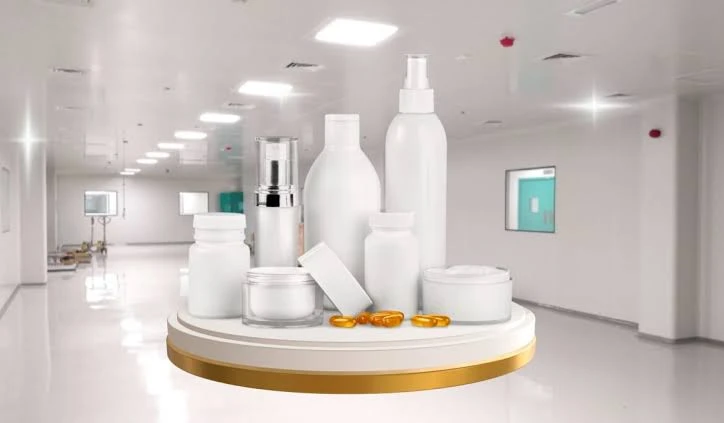
Why Skincare OEM Matters in 2026
The beauty industry has moved away from one-size-fits-all mass production toward specialization and speed. A capable private label skincare manufacturer lets a small team compete with established names by offering shorter development cycles, shared compliance infrastructure, and flexible order sizes. Several forces in 2026 make this model more attractive than ever:
- Clean and transparent formulations are now baseline expectations rather than differentiators. Buyers ask what is inside, where it comes from, and how it is documented.
- Marketplace scrutiny has increased. Major retail and e-commerce platforms request clearer traceability and ingredient documentation before listing a product.
- Visible sustainability signals — refills, concentrated formats, reduced water content, and recyclable packaging — influence purchasing decisions across price tiers.
Working with an OEM means you share the burden of compliance and quality testing while keeping full control of branding, positioning, and customer experience. For a new brand, this balance between launch speed and credibility is the core reason the model keeps growing. It also lowers the capital required to enter the category, which historically favored only well-funded incumbents.
How to Choose the Right Formulation
Selecting a base formula is where most projects begin, and it is also where early decisions shape everything that follows. A strong custom skincare formulation starts from your target audience and the benefit you want to communicate, then matches texture, active ingredients, and packaging to that goal.
Consider these angles before locking a brief:
- Texture and format. Gels, light lotions, rich creams, serums, and balms each serve different routines and climates. Your OEM partner can suggest a format that fits your brand story and your customer’s habits.
- Benefit positioning. Hydration, barrier support, and gentle daily care remain broadly appealing themes. Keep the language measured and defensible rather than absolute.
- Stability and shelf life. A formula that separates, discolors, or loses viscosity after a few weeks damages trust faster than any marketing spend. Plan for stability testing early.
- Ingredient sourcing. Preferred or certified raw materials affect both cost and lead time. Align expectations with your partner before sampling begins.
A good partner documents each formula and supports claim substantiation, so your marketing stays within regulatory boundaries in the US and EU. If your line centers on moisturizers, a dedicated face cream OEM can complement your serum strategy with matching textures and a shared visual identity. Many brands also start with a facial cleanser OEM to build an everyday hero product that drives repeat purchase, then expand into treatment steps.
OEM Production Considerations (MOQ, Lead Time, Compliance)
Once the formula is approved, manufacturing logistics take center stage. Three variables decide whether a launch lands on time and on budget:
Minimum order quantity (MOQ). A low MOQ skincare manufacturer lets you validate real demand before committing to large runs. This flexibility is especially useful for crowdfunding launches, limited collections, or entering a new regional market. Expect MOQ to vary by format, packaging complexity, and filling method.
Lead time. Sampling, stability and microbial testing, packaging sourcing, label printing, and filling each add weeks to the calendar. Build a realistic timeline with your partner and pad it for revisions and shipping delays. A common mistake is promising a launch date before the filling slot is confirmed.
Compliance. Cosmetic claims in the United States fall under FDA oversight, while the European Union follows the Cosmetics Regulation (EC) No 1223/2009. Your OEM should help prepare the supporting documentation — such as product information files, ingredient labeling, and responsible-person records — so that cross-border sales do not stall at customs or during platform review.
Keep these factors visible in a single project plan so procurement, marketing, and operations stay aligned. Sheet and clay formats from a facial mask OEM can round out a complete routine, but each added SKU multiplies the compliance and inventory work, so prioritize the items with the clearest demand signal.
Common Mistakes to Avoid
Even strong concepts stall for predictable reasons. The most frequent pitfalls in OEM skincare projects include:
- Chasing trends without a plan. A trending ingredient is only useful if it fits your formula, your claims, and your supply chain. Adopt trends deliberately.
- Underestimating testing. Skipping stability or microbial testing to save time risks recalls, returns, and reputational harm that far exceed the upfront cost.
- Vague contracts. Clarify ownership of the formula, MOQ tiers, reorder terms, and who handles regulatory files before production starts.
- Overpromising efficacy. Avoid absolute language such as “permanent” or “100% effective.” Measured, honest claims protect your brand and keep you compliant.
- Ignoring packaging early. Custom bottles and pumps often have the longest lead times. Source packaging in parallel with formula development, not after.

Conclusion
Launching a skincare line in 2026 is more achievable than ever, provided you treat formulation, manufacturing, and compliance as one connected system rather than separate tasks. A reliable skincare OEM gives you the infrastructure to test ideas quickly, learn from real sales data, and scale the products that work. Start with a clear brief, choose partners who document their work and support substantiation, and keep your claims honest and defensible. With the right OEM relationship, a small team can move from first sample to a finished, compliant product line faster than many incumbents.
Partner with our full-line skincare OEM factory for your next product launch.
This article describes B2B / OEM contract manufacturing services. All efficacy descriptions depend on the actual formula and testing, and do not constitute medical or treatment claims.
jindao2025
SkincareFactoryOEM Team