How to Negotiate Lower MOQs with Cosmetic Manufacturers (Without Sacrificing Quality)
📑 Table of Contents
For emerging beauty brands and indie cosmetic lines, the single biggest hurdle to launching or scaling isn’t branding or marketing—it’s the Minimum Order Quantity (MOQ). Facing factory requirements of 5,000 to 10,000 units per SKU can drain your launch budget, lock up working capital in unsold inventory, and significantly increase financial risk.
However, asking a cosmetic OEM/ODM factory to simply “lower their MOQ” without offering a strategic trade-off usually leads to a polite rejection—or worse, compromised formula stability and cheapened packaging.
The good news? Cosmetic manufacturers aren’t rigid out of spite; their MOQs are dictated by production economics. By understanding factory operations and presenting win-win solutions, you can successfully negotiate manageable MOQs while maintaining premium product quality.
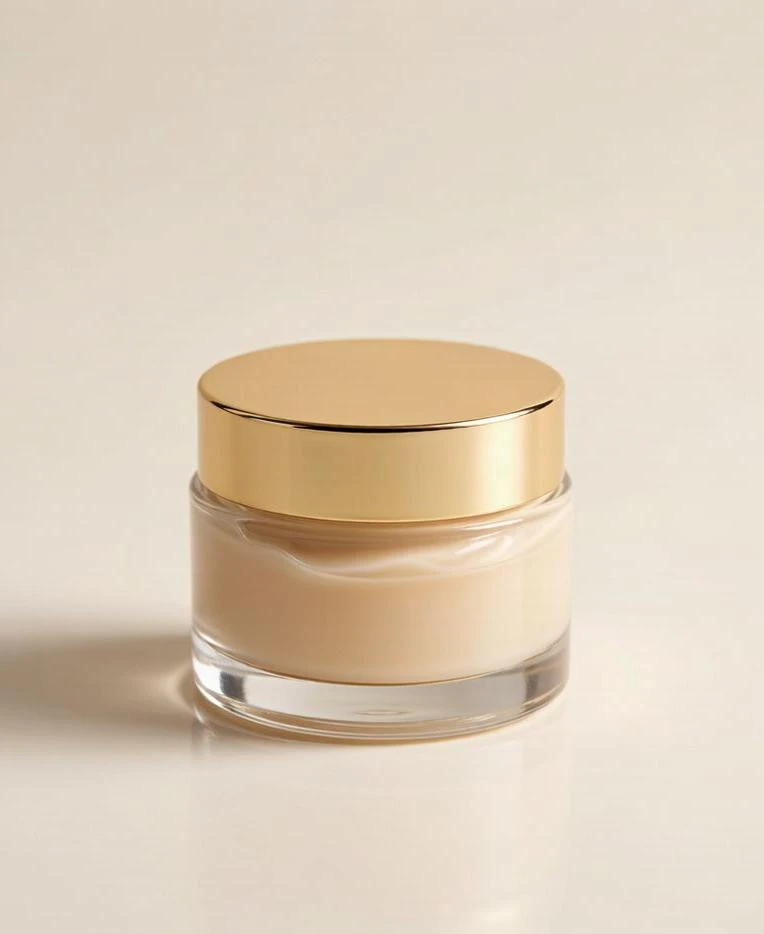
Why Cosmetic Manufacturers Enforce High MOQs
Before entering negotiations, you must understand why factories set high thresholds in the first place. It typically comes down to three main operational bottlenecks:
- Mixing Kettle Capacity: Industrial emulsification tanks often have minimum operational volumes (e.g., 100kg to 500kg). Running a 30kg batch in a 300kg kettle causes improper mixing, air pocket incorporation, and wasted raw materials.
- Packaging Production Runs: Custom bottle printing, silk-screening, or custom-molded containers require massive setup times on automated lines. Packaging suppliers enforce their own strict MOQs on the cosmetic factory.
- Line Setup and Cleaning Overhead: Transitioning an automated filling and capping line from a heavy cream to a light serum requires hours of deep cleaning, sanitization, and line calibration.
Key Insight: Your goal in negotiation is not to ask the manufacturer to take a loss, but to eliminate the operational friction that makes low-volume runs unprofitable for them.
5 Strategic Ways to Negotiate Lower MOQs
1. Opt for Stock Packaging & Custom Labels
Custom-molded bottles or direct screen-printed tubes are the #1 driver of massive MOQs. Packaging vendors routinely require 10,000+ units for custom color matching or direct printing.
- The Workaround: Ask your manufacturer to use their in-stock, standard containers (e.g., off-the-shelf amber glass dropper bottles, frosted jars, or white PE tubes).
- The Custom Touch: Elevate the visual appeal using high-end, custom-printed waterproof labels, soft-touch coatings, or premium outer box packaging.
- The Result: You can drop your packaging MOQ from 10,000 units down to 1,000 units (or fewer), without sacrificing the luxurious hand-feel of your final product.
2. Utilize Existing “Stock” or Benchmark Formulas
Developing a custom formulation from scratch requires extensive lab R&D, pilot batches, and stability testing. Factories set high MOQs on custom formulas to recover their engineering costs.
- The Workaround: Inquire about the factory’s proven stock formula library. These base formulas have already passed stability, compatibility, and microbial challenge testing.
- Minor Tweaks: Request minor customizations—such as adding a signature active ingredient (e.g., Niacinamide or Botanical Extracts), tweaking natural fragrances, or adjusting texture viscosity.
- The Result: Lower R&D overhead allows the factory to run a smaller batch safely, saving months of formulation time while preserving clinical-grade quality.
3. Agree to a “Blanket Order” (Phased Delivery Schedule)
If a factory insists on a 5,000-unit MOQ due to raw material purchasing or tank size limitations, propose a Blanket Purchase Order.
- How It Works: Commit to purchasing 5,000 units over a 12-month period, but request the factory to manufacture and ship them in smaller quarterly batches (e.g., 1,250 units every 3 months).
- The Win-Win: The factory secures a guaranteed annual production contract, while you preserve cash flow, reduce warehouse storage fees, and ensure your customers receive fresh inventory.
4. Accept a Higher Unit Cost for Trial Batches
Unit economics scale with volume: 10,000 units might cost $2.00/unit, while 1,000 units cost $3.20/unit. Many founders make the mistake of demanding 10,000-unit pricing on a 1,000-unit order.
- The Workaround: Explicitly communicate to the manufacturer: “We understand unit costs increase at smaller volumes. We are willing to pay a higher per-unit price for an initial market-validation batch of 1,000 units.”
- Why It Works: Paying a 30% premium per unit on a small trial run requires vastly less total capital than committing $20,000+ to an unproven 10,000-unit bulk production run. Once market demand is proven, reorders will naturally unlock bulk pricing tiers.
5. Standardize Base Formulas Across Multiple SKUs
If you are launching a product line (e.g., a Hydrating Cleanser, Soothing Cleanser, and Exfoliating Cleanser), avoid creating three completely different base emulsions.
- The Workaround: Work with the factory to develop a single, high-performance base chassis across all three SKUs, differentiating them with specific active complexes or botanical extracts added in the final phase.
- The Result: The factory runs a single 300kg bulk batch of base formulation, then splits it into three 100kg finished product runs. This fulfills their bulk mixing requirement while providing multi-SKU product diversity at low MOQs.
What NEVER to Sacrifice for Lower MOQs
While negotiating operational flexibility, keep your non-negotiables intact. Never compromise on the following technical standards:
- Stability & Compatibility Testing: Skipping 12-week stability tests or container-compatibility checks to rush a small batch can cause formula separation, discoloration, or package leaking on customer shelves.
- Preservative Efficacy Testing (PET/Challenge Test): Water-based skincare products must be rigorously tested to prevent bacterial and fungal growth.
- ISO / GMP Regulatory Compliance: Ensure the production facility maintains ISO 22716 or GMPC certifications. Quality control standards must apply equally to 500 units or 50,000 units.
Negotiation Script: How to Email a Cosmetic Manufacturer
Use this outreach template when contacting cosmetic OEM/ODM manufacturers to frame your request professionally:
Subject: Production Inquiry: [Your Brand Name] – Trial Batch & Manufacturing Partnership
Dear [Manufacturer Name / Sales Team],
We are preparing to launch our upcoming [Product Type, e.g., Peptide Facial Cleanser] line. We have reviewed your manufacturing capabilities and believe your facility aligns perfectly with our quality standards.
To validate our launch distribution channels prior to scaling up to full-capacity production, we are seeking an initial 1,000-unit pilot run.
To accommodate your factory’s operational efficiency, we are flexible on the following parameters:
- Utilizing your standard in-stock packaging paired with our custom labeling/boxes.
- Leveraging your proven stock formulas with minor active ingredient customization.
- Adjusting our target unit cost to reflect the lower trial batch size.
Could you please share your catalog of stock formulations and available in-stock packaging options suitable for this project?
Best regards,
[Your Name]
Founder / Product Development Manager
[Your Brand Name]
Summary & Key Takeaways
Negotiating lower MOQs with cosmetic manufacturers isn’t about aggressive price-haggling—it’s about operational collaboration.
By reducing packaging complexity, leveraging stock formulations, and offering flexible order commitments, you eliminate the manufacturer’s financial risk while maintaining complete control over product efficacy and safety.
jindao2025
SkincareFactoryOEM Team