How to Choose a Skincare Product Manufacturer: The Ultimate 2026 Guide for Beauty Brands
📑 Table of Contents
Launching or scaling a beauty brand is no longer just about aesthetic packaging or viral marketing. The modern skincare landscape demands clinical efficacy, radical transparency, and high-performance biotechnology. Because consumers heavily scrutinize ingredient lists, your choice of a skincare product manufacturer is the single most critical decision for your brand’s longevity.
Partnering with the right B2B manufacturer bridges the gap between a creative concept and a compliant, high-demand product. This guide breaks down exactly what to evaluate when choosing a manufacturing partner, aligned with current industry standards and technical compliance.
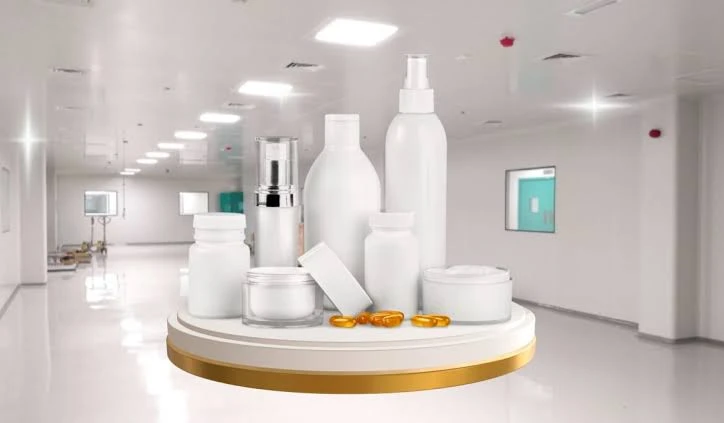
1. Compliance and Regulatory Certifications
The baseline requirement for any legitimate cosmetic factory is strict adherence to international safety regulations. A high-tier manufacturer must operate under controlled cleanroom environments to avoid cross-contamination.
Look for these non-negotiable credentials:
- ISO 22716 Certification: This is the international standard for Good Manufacturing Practices (GMP) specifically tailored for the cosmetics industry, covering production, control, storage, and shipment.
- cGMP (Current Good Manufacturing Practices): Regulated by the FDA (or regional equivalents like the NMPA or EU regulations), this ensures the facility uses up-to-date technologies and systems to guarantee product safety.
- Third-Party Audits: Credible manufacturers undergo independent audits regularly and willingly share their compliance documentation, heavy metal testing sheets, and Stability Test records.
2. R&D Capabilities and 2026 Active Ingredient Trends
An exceptional manufacturer does not just fill bottles; they act as an innovation incubator. Formulations must evolve beyond basic hyaluronic acid or basic retinoids. Your partner should have an in-house Research & Development (R&D) laboratory capable of stabilizing complex, next-generation bio-actives.
When interviewing a manufacturer, ask if their chemists have experience formulating with these high-demand categories:
- Biotech Actives & Cellular Communication: Look for expertise in stabilizing exosomes, advanced peptide complexes, and vegan PDRN (polydeoxyribonucleotide), which are dominating the regenerative beauty market.
- Skin Barrier Restoration: Formulations requiring precise lipid ratios (ceramides, fatty acids, cholesterol) or advanced beta-glucans to support long-term epidermal barrier strength.
- Hybrid Formulations: High-stability emulsions that seamlessly combine targeted clinical skincare (like SPF or alpha-arbutin) with makeup-like tinting elements.
3. Custom Formulation vs. Private Labeling
You must decide whether your brand model requires custom formulation or private label manufacturing.
| Manufacturing Route | Best For | Average MOQ | Time-to-Market |
| Private Label | Startups, testing a concept, low capital | 500 – 1,000 units | 2 – 4 weeks |
| Custom Formulation (OEM/ODM) | Unique branding, proprietary ingredients, scaling brands | 3,000 – 5,000+ units | 4 – 9 months (includes testing) |
Pro Tip: If choosing custom formulation, ensure your contract explicitly states who owns the intellectual property (IP) of the formula. True custom manufacturing should grant formula ownership to you after a specific production volume or buyout fee.
4. Minimum Order Quantities (MOQs) and Scalability
Minimum Order Quantities dictate your upfront capital investment. While a low MOQ (e.g., 1,000 units) limits financial risk, it often increases the cost-per-unit (CPU).
Evaluate their scalability: Can the manufacturer handle your initial small batches but seamlessly scale up to 50,000+ units when you secure retail placement? If a factory relies solely on manual pouring lines rather than automated high-speed filling equipment, they will bottleneck your growth.
Frequently Asked Questions (FAQ)
What is the difference between an OEM and an ODM skincare manufacturer?
OEM (Original Equipment Manufacturer) means you provide the custom formula and specifications, and the factory handles the physical production. ODM (Original Design Manufacturer) means the factory provides pre-made, researched formulas and packaging options, allowing you to simply put your logo on an existing product (private label).
How long does the skincare manufacturing process take?
For a private-label product, turnaround times can be as quick as 3 to 6 weeks. For custom formulations, expect 4 to 9 months. This timeline includes custom reverse-engineering or benchmarking, ingredient sourcing, mandatory 3-month stability testing (oven baking to simulate shelf-life), and microbial challenge testing.
What testing should a professional skincare manufacturer provide?
A reputable contract manufacturer must conduct or facilitate Stability and Compatibility Testing (ensuring the product doesn’t separate or react with the plastic/glass packaging), Microbial Challenge Testing (proving the preservative system handles consumer contamination), and Dermatological Patch Testing if you claim “hypoallergenic” or “safe for sensitive skin.”
What are “Blue Beauty” and sustainable sourcing standards in manufacturing?
Sustainable manufacturing requires traceable supply chains, clean energy utilization, and eco-friendly waste management. Brands must look for manufacturers that prioritize biodegradable raw materials, upcycled ingredients (like using food-industry byproduct fruit seeds), and ocean-safe, microplastic-free formulations to comply with modern eco-regulations.
Related reading
jindao2025
SkincareFactoryOEM Team