Skincare OEM in 2026: Building a Private Label Brand with Custom Formulation and Low MOQ
📑 Table of Contents
The skincare market in 2026 rewards brands that move quickly and stay lean. Indie founders, spa owners, and established retailers alike are turning to a skincare OEM partner to bring products to market without building a laboratory or a factory from scratch. Instead of betting the entire budget on one hero product, today’s operators launch a focused range, test demand, and scale the winners. This article walks through how a full-line skincare OEM model works, why private label and custom formulation are converging, and what to watch on MOQ, lead time, and compliance before you sign.
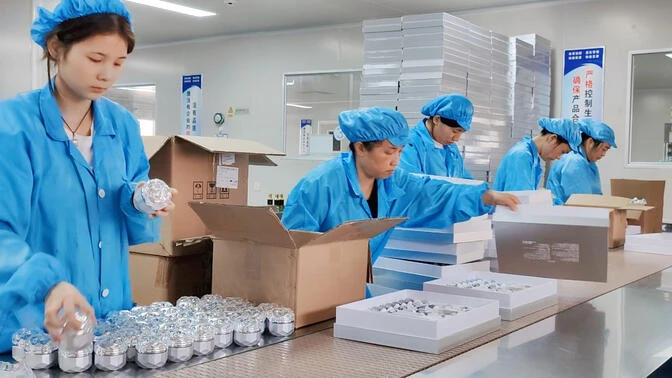
Why Skincare OEM Matters in 2026
Consumer expectations have shifted. Shoppers now read ingredient lists, ask about sourcing, and expect brands to explain why a formula works. That pressure used to favor only the largest players with in-house R&D. It now favors agile brands that use a private label skincare manufacturer to access proven bases and refine them.
Three trends are accelerating the shift:
- Micro-brands going multi-category. A single cleanser is no longer enough. Buyers want a coordinated routine—cleanser, serum, moisturizer, mask—under one identity. A full-line partner makes that realistic.
- Ingredient literacy. Peptides, niacinamide, ceramides, and barrier-support actives are mainstream talking points. Brands need formulations that speak that language without overclaiming.
- Capital discipline. With ad costs high, founders prefer smaller first orders and faster reorders. Low MOQ is no longer a niche ask; it is the default for a test-and-learn launch.
The takeaway: a skincare OEM relationship is less about “buying a generic product” and more about renting a manufacturing and formulation engine you control through your brand.
How to Choose the Right Formulation
Picking a formula starts with the claim you want to make and the texture your audience expects. A good custom skincare formulation process begins with a brief, not a catalog.
1. Start from the benefit, not the ingredient.
Decide what the product should feel like and support. “Lightweight daily hydration,” “rich overnight comfort,” or “a serum step that layers cleanly” are clearer starting points than naming an active on day one. The lab can then propose a base and a compatible active system.
2. Match texture to category.
– Gels and light lotions suit warmer climates and oil-prone skin routines.
– Creams and balms suit barrier-support positioning.
– Serums concentrate actives in a small, fast-absorbing format.
3. Validate stability and compatibility.
Actives that look good on a slide can separate, discolor, or lose potency in a finished formula. Request stability data and, where relevant, compatibility checks before committing to a large run.
4. Keep the claim defensible.
The strongest brands document what they claim. If you say “hydrating,” be ready to point to humectants like glycerin or hyaluronic acid in the formula. Avoid absolute language and any wording that implies treatment.
A private label skincare manufacturer should be able to show you existing bases, suggest actives that are stable together, and tell you honestly when a request is not formulation-sound.
OEM Production Considerations (MOQ, Lead Time, Compliance)
The operational side is where launches succeed or stall. Treat these as non-negotiable checkpoints.
Minimum order quantity (MOQ).
A low MOQ skincare manufacturer lets you enter with a manageable cash commitment. Lower MOQ is ideal for a first run, a market test, or a limited collaboration. Expect MOQ to vary by format—jars and pumps often differ from sachets or sample kits. Confirm per-SKU minimums, not just a headline number.
Lead time.
Typical steps include formula confirmation, sampling, packaging sourcing, filling, and quality checks. Ask for a realistic timeline that includes packaging lead time, which is frequently the long pole. Build buffer for artwork approval and customs if you ship across regions.
Regulatory posture.
Cosmetics claims are regulated. In the United States, the FDA oversees cosmetics under specific rules; in the EU, the Cosmetics Regulation sets claim and safety requirements, including responsible-person oversight. Your OEM partner should help you keep claims within cosmetic boundaries and avoid drug or treatment language.
Documentation.
Request certificates of analysis, ingredient lists, and batch records appropriate to your market. Do not assume certifications you have not verified; if GMP or ISO status matters to your story, confirm it per production line rather than assuming it.
Working with a skincare OEM means sharing these responsibilities: you own brand and claims; the factory owns reproducible, documented manufacturing.
Common Mistakes to Avoid
Even strong brands stumble on a few repeatable errors.
- Chasing the trendiest active without a formula fit. An ingredient is only useful if it is stable and sensorially acceptable in your base.
- Underestimating packaging. A great formula in the wrong bottle leaks, oxidizes, or frustrates users. Lock packaging early.
- Overclaiming. “Clinically proven” or treatment-style language invites regulatory and platform risk. Keep claims cosmetic and substantiated.
- Ignoring reorder mechanics. A launch is not one order; it is a cadence. Set up how you will reorder, relabel, and refresh before the first unit ships.
- Skipping the sample stage. Always run a physical sample through your own review—texture, scent, fill, and shelf behavior—before scaling.
A disciplined private label skincare manufacturer will flag most of these before they cost you money.
Conclusion
A modern skincare OEM partnership is the fastest responsible path from idea to shelf. By combining a custom skincare formulation approach with a low MOQ skincare manufacturer, brands can test real products, learn from actual customers, and scale the winners—without the overhead of building a factory. The brands that win in 2026 will be the ones that treat formulation, compliance, and reorder logistics as part of the same plan from day one.
If you are scoping a multi-category launch, explore how a coordinated routine comes together with a face cream OEM line, a facial cleanser OEM base, or a facial mask OEM step to round out your range.
Partner with our full-line skincare OEM factory for your next product launch.
This article is a B2B / OEM contract manufacturing overview. All efficacy descriptions are general and must be confirmed against the actual formulation, stability data, and applicable market regulations. Nothing here constitutes a medical, drug, or treatment claim.
jindao2025
SkincareFactoryOEM Team